
The Hidden Costs of Magical Secrecy
Fantastic Beasts and Where to Find ThemThis flow traces the costs of keeping creatures concealed, from the labour of concealment to the personal and institutional consequences of exposure.
increasing Bearing strength in each event
 decreasing
Bearing strength in each eventdecreasingChoosing What Must Be Hidden
Choosing What Must Be Hidden
A broad undertaking
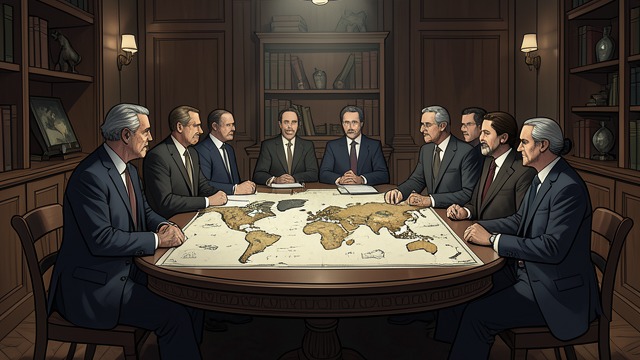
The International Confederation of Wizards debates the concealment of magical creatures across national borders. Participants must decide which species can be hidden and where they can safely live.
The burden expands
The initial decision covers twenty-seven species, but the number rises as concealment techniques improve. Each new responsibility adds to the work required of authorities and communities.
The policy protects secrecy, but it also creates an ongoing administrative burden. Once a species is hidden, authorities must continue to manage the conditions that make its concealment possible.
A Rule for Every Territory
A Rule for Every Territory
Duties made official
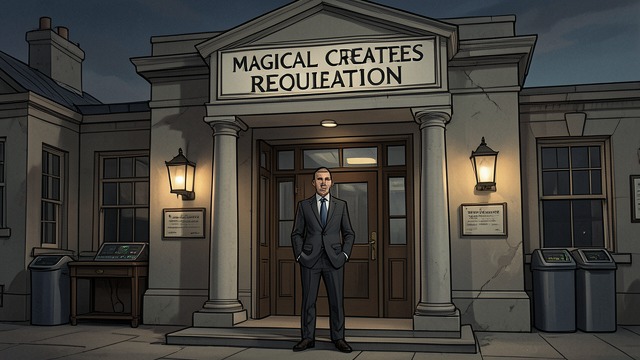
Clause 73 makes each governing body responsible for magical creatures within its borders. Care and concealment are formally linked to control.
Exposure carries consequences
A creature that harms or attracts the notice of Muggles can bring discipline from the International Confederation of Wizards. The cost of one local failure may therefore be borne by a wider political community.
The law turns secrecy into a continuous obligation. It demands attention not only when a crisis occurs but also in the everyday management that might prevent one.
The Work of Owners
The Work of Owners
Routine acts of concealment
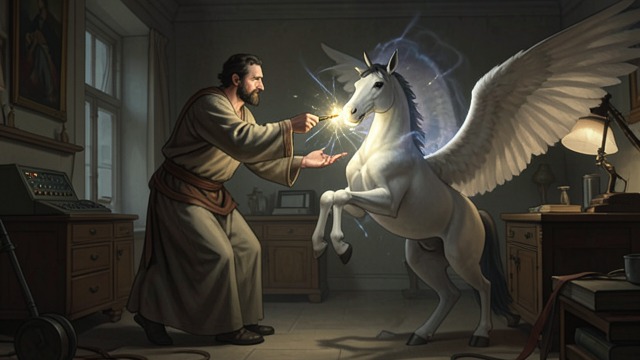
Owners of Hippogriffs must cast Disillusionment Charms regularly because the effect wears off. Some creatures also require licences and special handling.
Private duties with public stakes
An owner’s failure can expose a creature to Muggle notice and place a wider community at risk. Secrecy depends on repeated, ordinary actions by people who keep animals.
The system makes concealment intimate and labour-intensive. Magical privacy is not preserved by government alone; it is maintained in homes, yards, and daily habits.
Witnesses and Memory
Witnesses and Memory
Repairing an encounter
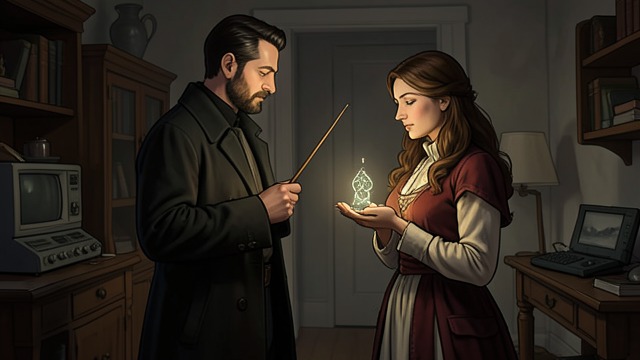
A Memory Charm may be performed by an owner after a Muggle sees something they should not. In severe cases, trained Obliviators from the Ministry are sent to respond.
The human cost
The repair system restores secrecy by altering what witnesses remember. While it may avert public panic, it also treats a person’s experience as a problem to be removed.
The book presents concealment as effective but ethically uncomfortable. The community’s safety can depend on interventions that prevent witnesses from keeping or sharing what they saw.
Catastrophe and Public Explanation
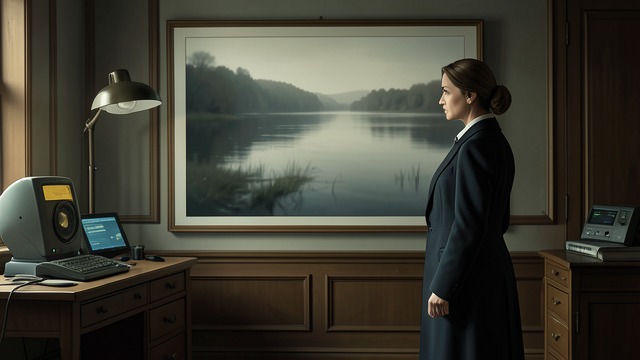
Catastrophe and Public Explanation
An event too visible to dismiss
Some magical accidents are too glaring for Muggles to explain away without outside help. The Office of Misinformation then works directly with the Muggle prime minister on a plausible non-magical account.
A continuing struggle
The Office’s effort to discredit Loch Ness photographs shows that public evidence can persist beyond memory and immediate witnesses. Secrecy must adapt to an audience that can compare accounts and images.
The hidden world is maintained through layered explanations as well as spells. Each conspicuous breach risks revealing not just a creature but the system built to conceal it.
at the 1692 international summit
1750
when protective charms are required for pets
when a Muggle has seen a magical creature
when ordinary concealment methods are insufficient
